AI on phones is no longer a feature to show off at a launch. In 2026, it becomes standard. The question is no longer "does the phone have AI?" but "how does AI help me live differently?"
45%: a turning point
According to Counterpoint Research (June 2026), GenAI-capable smartphones will account for 45% of global shipments in 2026. Nearly half of all new phones sold can write, translate, summarise and edit photos on the device.
Four ways AI is changing everyday life
1. Anyone can shoot like a pro. The Galaxy S26, launched in February 2026, features Super Steady Horizontal Lock, keeping footage level and stable even with shaky hands. What once needed a gimbal and a camera operator now fits in a phone.
2. Post-production moves into the phone. AI photo-editing assistants remove objects, recompose shots and fix lighting right after you take the picture. The time from shutter to post shrinks from hours to minutes.
3. Privacy becomes a feature. The S26 has active anti-peeping technology, controlling the display at pixel level so people beside you cannot read your screen. The more personal data phones hold, the more security becomes a reason to buy.
4. AI becomes the shopping adviser. According to McKinsey, consumers increasingly use AI chatbots to find and compare products, and AI agents may one day order on their behalf.
For everyday users, these features mean family and travel videos without the shake, photos fixed before they're sent, messages read safely in a crowd, and prices compared in seconds. For content creators they mean even more: filming on the move without a gimbal, shorter editing, reviewing scripts or contracts in public, and a clearer sense of what audiences are searching for.
The next device: smart glasses
McKinsey expects AI-powered multimodal eyewear to break out from 2026, with a market that could exceed US$30 billion by 2030. If AI phones changed how we shoot and watch, smart glasses may change how we see.
The flip side: the more AI, the more we need real people
When beautiful photos become easy, beautiful photos are no longer enough. Research firm Mintel reports that consumers are tiring of algorithmic and AI-generated perfection and value what feels real. AI handles the repetitive work; perspective, presence and storytelling still belong to people.
Case study: Lilthu at Galaxy Unpacked 2026
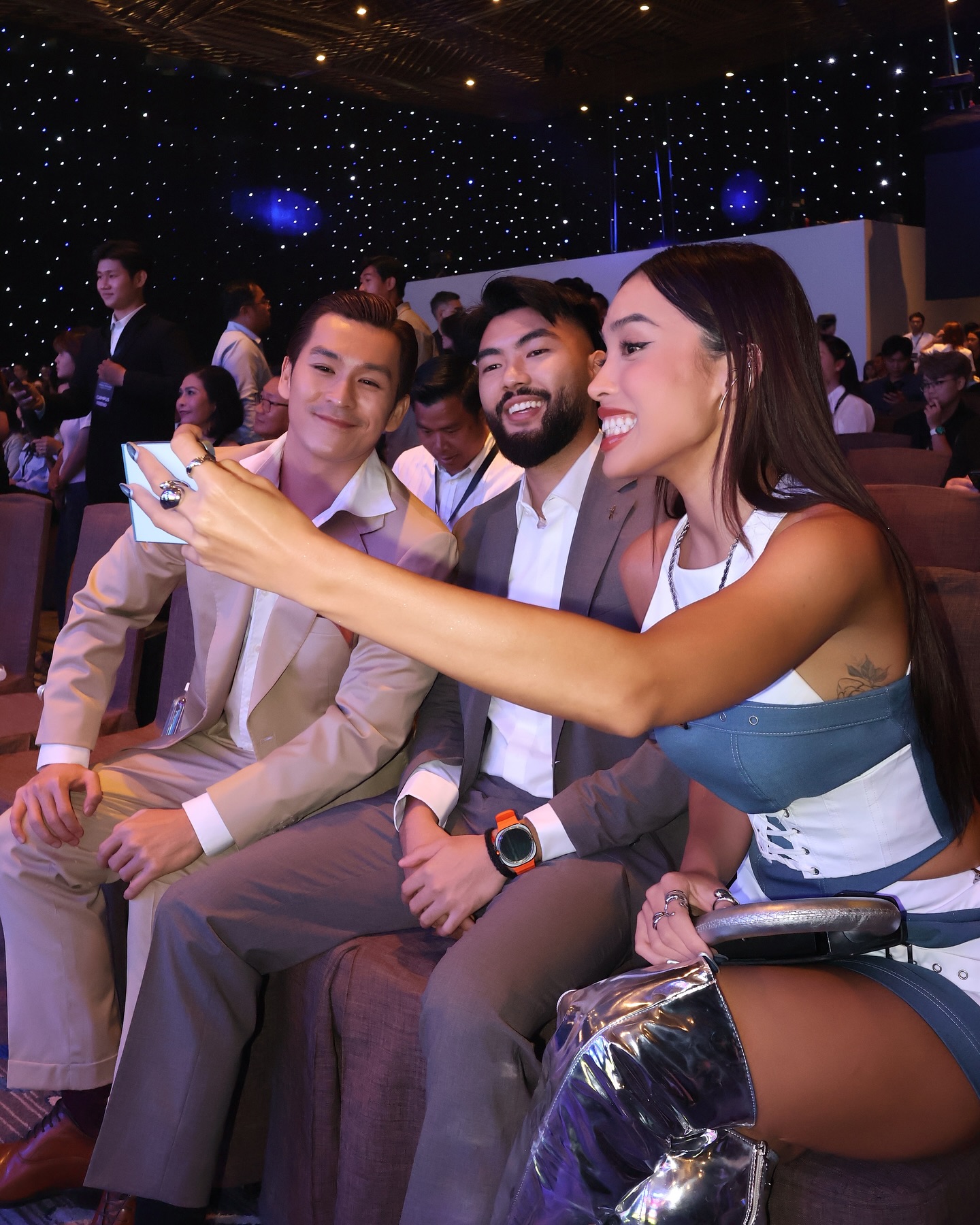
In February 2026, Vietnamese lifestyle personality Lilthu, together with singer Văn Mai Hương and Chris Phan, attended Galaxy Unpacked in San Francisco, where Samsung launched the Galaxy S26. Samsung invited creators and media from Southeast Asia and Oceania to try the products before the public, then retell them in the language of their own communities. For someone who creates content daily, stabilisation and AI editing are not specs on paper but working tools. It is also why tech brands increasingly launch products through creators (analysis in 4.4).
Sources: Counterpoint Research (06/2026) · Samsung Newsroom Vietnam — Galaxy S26 (04/2026, Vietnamese) · McKinsey — The State of Fashion 2026 · CosmeticsDesign — Mintel 2026 · Instagram @lilthuuu at Unpacked
Hashtags: #TechTrends2026 #AISmartphone #AIPhone #GenAI #GalaxyAI #GalaxyS26 #GalaxyUnpacked2026 #Samsung #SmartGlasses #Privacy #CreatorTools #TechLifestyle #MobilePhotography #TrendReport #Lilthu