In 2023, a reality show built around content creators went from Vietnam's Danet platform to Netflix across Asia. It was Let's Feast Vietnam, and how it was built is a lesson for anyone marketing a destination.
The partnership structure. According to Vietcetera, Season 1 was a collaboration between Meta, the production company BHD and Vietnam's Ministry of Culture, Sports and Tourism. Meta brought the platform and the Reels format; BHD produced and held the international rights; the ministry brought the national objective. Meta's country director tied the show to the post-pandemic digital economy and to Vietnam's image as a safe, welcoming destination.
What made it different: rules measured in engagement. Season 1 had 10 episodes, with a VND 500 million prize for the team with the best clips and VND 300 million for the pair with the most views and engagement. In other words, the show rewarded exactly what tourism promotion needs: content that spreads beyond the screen.
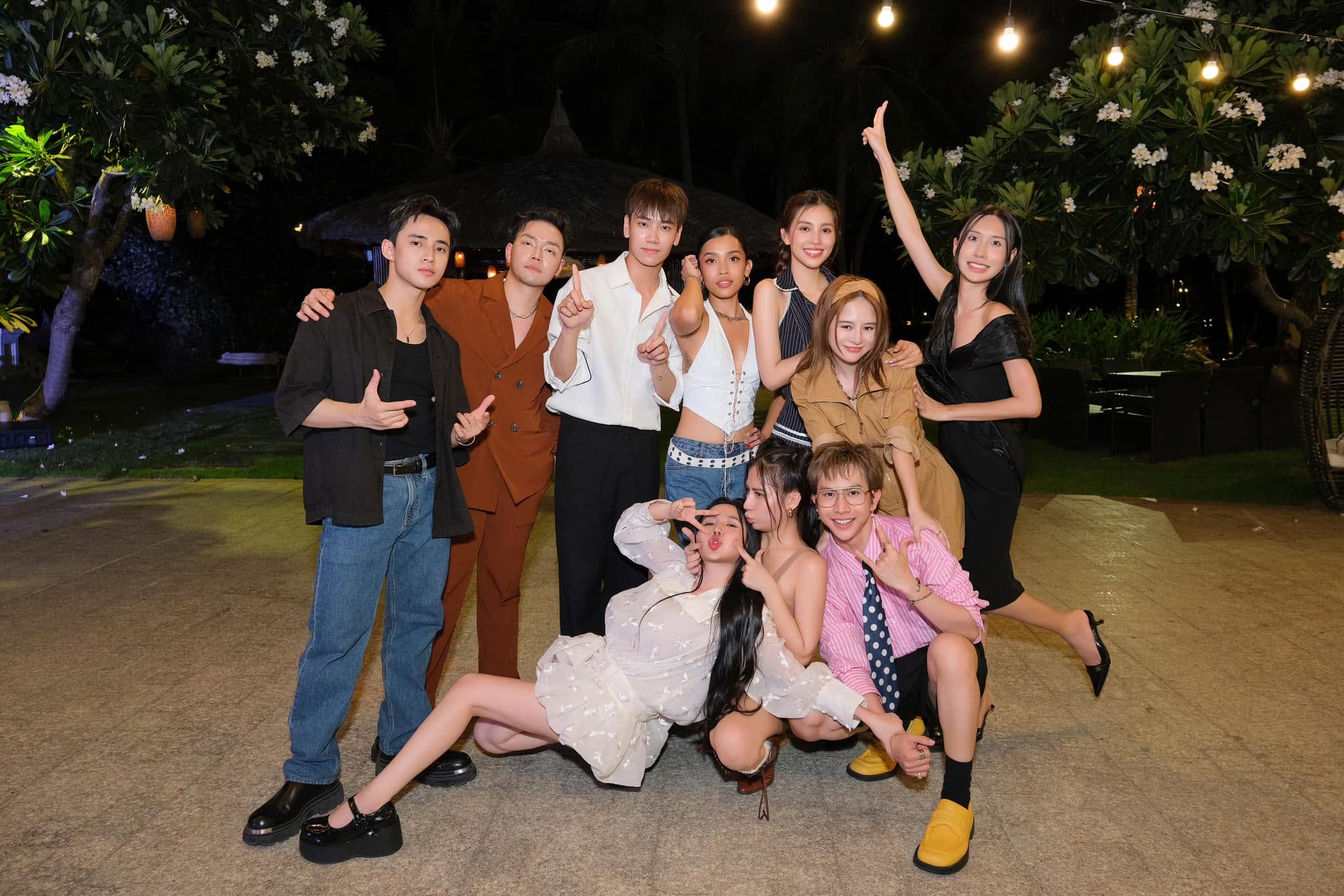
Season 2 expands to Korea. According to VTC News, Let's Feast Vietnam & Korea 2024 ran for 16 episodes on MyTV, with 10 players holding more than 40 million followers combined, plus 30 watcher creators. Season 1 had won Best Reality Show at the OTT global awards in Busan.
Why the model works
Compared with traditional tourism advertising, Let's Feast differs in four ways. Instead of one ambassador or presenter, the story is told by dozens of creators, each bringing their own community. Instead of buying ad placements, clips spread on the players' own accounts. Instead of measuring impressions, success is measured in views and engagement, tied directly to the prize. And instead of ending when the budget runs out, the content lives on across Netflix, Danet and MyTV.
From the inside. As one of the ten players in Season 2, Lilthu found that the biggest pressure was not the cooking challenge itself, but retelling it in a way that makes viewers want to go.
With Vietnam welcoming nearly 21.2 million international visitors in 2025, the "creators as distribution" model will only matter more.
The limits of the model
The model has weaknesses. Destinations copying it should watch for three things:
Views are not visitors. A clip with a million views does not necessarily lead to a trip. Without a link from content to hotel bookings, flights or tours, impact is hard to measure.
Algorithm dependence. When prizes are tied to engagement, content can drift towards shock value rather than cultural accuracy.
Local partners are essential. Foreign creators tell the story better when locals explain the context, avoiding misunderstandings about food or customs.
Lessons for Vietnamese destinations
Choose creators for the target market, not just follower counts. Season 2's expansion to Korea is one example.
Design challenges around experiences people can buy: a cooking class, a cycling tour, a speciality to take home. According to Booking.com, 55% of travellers would travel to a place for its local specialities
Keep the content alive: redistribute on long-life platforms such as Netflix or YouTube, rather than letting clips scroll away in the feed.
Sources: Vietcetera — Let's Feast Vietnam debuts on Netflix (08/2023) · VTV — 14 Asian content creators (04/2023) · VTC News — Season 2 (11/2024, Vietnamese) · VnBusiness — international arrivals 2025 (Vietnamese)
Hashtags: #LetsFeastVietnam #CaseStudy #TourismMarketing #DestinationMarketing #CreatorEconomy #VietnamTourism #VisitVietnam #Meta #Netflix #RealityShow #InfluencerMarketing #TravelCreator #Lilthu