Eating Japanese food today means far more than conveyor-belt sushi or ramen. In Saigon, Hanoi and Hoi An, more and more restaurants list names like omakase, kaiseki and teppanyaki on their menus. All three fall under "fancy Japanese", but the service, the atmosphere and even how you feel after the meal are quite different.
Omakase: leaving the meal to the chef
The word comes from the verb "makasu", to trust: diners at an omakase place complete trust in the chef to decide what they will eat, which is why an omakase menu is never fixed and always changes with the occasion.
You usually sit at the counter, right in front of the chef, and receive each piece of sushi the moment it's shaped. Most of the meal is sashimi and nigiri. One omakase set in Hanoi, for example, usually has 12 to 15 courses, opening with a light starter and sashimi, moving on to rich nigiri such as otoro, unagi and seasonal uni, and ending with light tempura, mochi or matcha ice cream to cleanse the palate.
Omakase rooms tend to be small and quiet. Some have only around 12 to 16 seats, with the counter at the centre in natural wood and warm light, and diners are asked to keep quiet so they can focus on the experience with the chef. A small tip: if you have a question, save it until the chef has finished speaking.

Kaiseki: a seasonal meal rooted in the tea ceremony
If omakase revolves around sushi, kaiseki is a journey through many dishes cooked in many different ways. Kaiseki cuisine refers to cuisine eaten at the tea ceremony before tea is served. Devised by Sen no Rikyu who became known for Wabicha (an austere-style tea ceremony) in the Azuchi-Momoyama Period (1568-1600), it originates in the meal served at the tea ceremony.
The name has a story too: Buddhist monks would carry warm stones on their stomachs to keep hunger at bay while fasting. The meal was simple and meditative. Over time, it evolved into an elaborate dining style popular among the nobility and Japan's elite.
A kaiseki meal follows a set order. Sakizuke is an appetizer, often a bite-sized hors d'œuvre, served with sake; hassun is the second course, usually seasonal, which sets the theme of the meal; mukozuke is seasonal sashimi. It ends with mizumono, a seasonal dessert that may be fruit, confection, ice cream, or cake. In all, kaiseki meals can contain anywhere from six to 15 courses.
In kaiseki, the season is the star: ingredients, presentation and even the tableware change with the time of year. The city of Kyoto is particularly renowned for kaiseki dining due to its history as the home of the Imperial Court and Japanese nobility.
Teppanyaki: a show on an iron griddle
Teppanyaki is the liveliest of the three. The chef cooks meat, seafood and vegetables on a flat iron plate right in front of you. Many people call it "hibachi", but the grilling experience most visitors associate with "hibachi" is in fact teppanyaki (鉄板焼き), a distinctly Japanese culinary tradition born in Kobe in 1945.
The origin story is a good one. Shigeji Fujioka opened Misono in Kobe's Kitano district, the first restaurant to cook steak on a flat iron teppan plate in front of seated diners. Misono itself gives credit to an American soldier's palate: a few months after the end of World War II, an American officer of the occupation army walked into a downtown okonomiyaki ("grilled pancake") shop in fall 1945. As Japan's postwar economy recovered, teppanyaki restaurants spread from Kobe to Osaka and Tokyo.
Beef, especially wagyu, is usually the most anticipated part of a teppanyaki meal. In Vietnam, some places even combine styles: one Hanoi restaurant serves Japanese cuisine combining a traditional omakase sushi format with a modern teppanyaki counter, with Japanese chefs serving directly at the counter.
Which style for which occasion?
Omakase suits a date for two or a moment when you want to try something new, if you like sitting close to the chef and don't mind someone else choosing for you. Kaiseki suits more formal occasions, such as an anniversary, hosting guests or a long, slow dinner on a trip to Japan, especially in Kyoto. Teppanyaki suits groups of friends or family who want a livelier atmosphere, more meat and a bit of a show with dinner.
Flexibility is another difference. Omakase and kaiseki leave you almost no choice. With teppanyaki, you can usually pick the meat, the cut and how it's cooked.
Prices to expect
All three are high-end experiences, and prices vary widely by ingredients, chef and location. In Hoi An, for example, the omakase Experience Tasting Menu at Four Seasons' Nayuu costs VND 6,400,000. In Japan, a dinner omakase at some high-end sushi restaurants costs around ¥30,000, service charge and tax included, with drinks not included in the course. Saigon has a wider range, from more accessible omakase counters to places importing seafood directly from Japan. Check the menu and book ahead, as most restaurants only have a few seats per sitting.
Case study: Lilthu
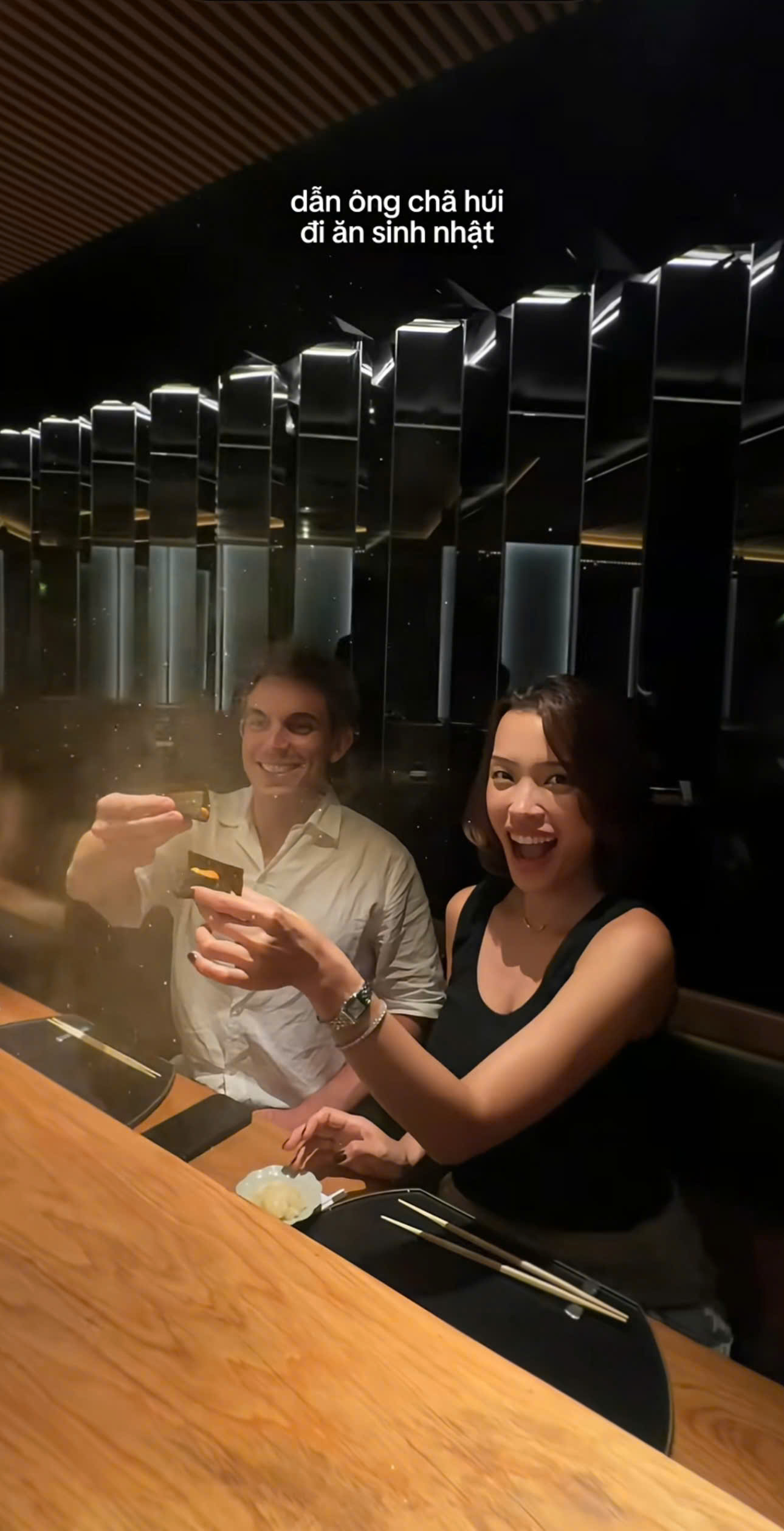
For Lilthu, omakase is something for special occasions. She once shared an "omakase date" for her husband's birthday, and more recently a meal at Noriboi posted on TikTok. Noriboi is an interesting example of how omakase is being given a Vietnamese twist: the restaurant boldly blends Japanese finesse with Vietnamese character, crafted entirely by a team of Vietnamese chefs, and partners closely with local farmers, fishers and producers. Noriboi was also named in the Tatler Best 20 Vietnam list in 2025.
Beyond Vietnam, Lilthu's experience of Japanese food includes a trip to Japan saved in her Instagram highlights. It reflects how many young people approach high-end Japanese dining: not as an everyday meal, but as a way to mark a memorable occasion.
Sources: Vietcetera — 5 omakase restaurants in Saigon · Vietnam Airlines — Omakase in Hanoi · JETRO — How to enjoy Kaiseki course cuisine · Just One Cookbook — Kaiseki ryori · Culture Trip — The essential guide to kaiseki · MasterClass — Kaiseki guide · Wikipedia — Kaiseki · Food in Japan — Teppanyaki and hibachi in Japan · Japan Today — Teppanyaki: a Japanese cooking tradition made in America · Four Seasons Resort The Nam Hai — Nayuu omakase · TableCheck — Sushi Wasabi · Tatler Asia — Noriboi redefines omakase with Vietnamese ingredients · Tatler Asia — Noriboi
Hashtags: #Omakase #Kaiseki #Teppanyaki #JapaneseFood #JapaneseCuisine #FineDining #OmakaseSaigon #OmakaseVietnam #Noriboi #KaisekiRyori #Wagyu #FoodGuide #JapanTravel #DineAndWine #Lilthu