Vietnam's online beauty market has moved past "more is better". The 2025 data shows a more discerning shopper, willing to pay more for the right product and increasingly deciding while watching a video.
Vietnam: US$3 billion and a maturing market
According to Metric data published by Việt Nam News in March 2026, Vietnamese consumers spent around VND 74.4 trillion (about US$3 billion) on beauty and personal care on e-commerce platforms in 2025, up roughly 30% on 2024.
Within that, cosmetics grew 23%, the average price per item rose 13%, and official brand stores accounted for 64% of revenue. The best-selling price band was VND 200,000–500,000. Notably, the number of active beauty shops fell 8% quarter on quarter and 13% year on year in Q4 2025.
Three signals stand out:
Spending more, not buying more. A 13% rise in average price shows shoppers are trading up, choosing better products rather than more cheap ones.
Authenticity wins. Nearly two-thirds of revenue comes from official stores. Shoppers care more and more about provenance.
The market is consolidating. Revenue is up while shop numbers are down: small sellers of uncertain origin are being pushed out.
TikTok Shop is now the biggest beauty counter
In Q4 2025, TikTok Shop accounted for roughly half of beauty sales on Vietnamese platforms, about VND 7.7 trillion, up 27% on the previous quarter. Shopee followed closely with a 48% share (VND 7.39 trillion). Lazada was down to about 4%.
This is a big behavioural shift: shoppers no longer go to a marketplace to search for products; they meet them in a review video or a livestream. Every video is now a counter, and every creator a sales adviser. With that comes responsibility: advice on video is now paid for with real money.
The global picture: Mintel's three trends
Research firm Mintel identifies three trends that will shape beauty from 2026 to 2030:
Metabolic Beauty — beauty as health. Skin and hair are seen as the body's most accessible biomarkers. Moisturisers, serums and supplements will be positioned as evidence-based preventive care, not indulgence.
Sensorial Synergy — the sensory experience. Scent, texture and feel on the skin become primary reasons to buy, not extras after efficacy.
Beyond the Algorithm — the return of the human touch. Consumers are tired of filters, AI-generated images and overly polished marketing. They want beauty that feels real, even when it is imperfect.
The third trend matters especially in Vietnam, where much beauty is sold through creators' videos. The more real the video, the longer the product keeps selling.
Beauty goes travelling. Booking.com's 2026 travel predictions found nearly 80% of travellers open to a "glow-cation": a trip centred on skincare and high-tech treatments (see 3.3).
Case study: Lilthu — beauty beyond a single standard
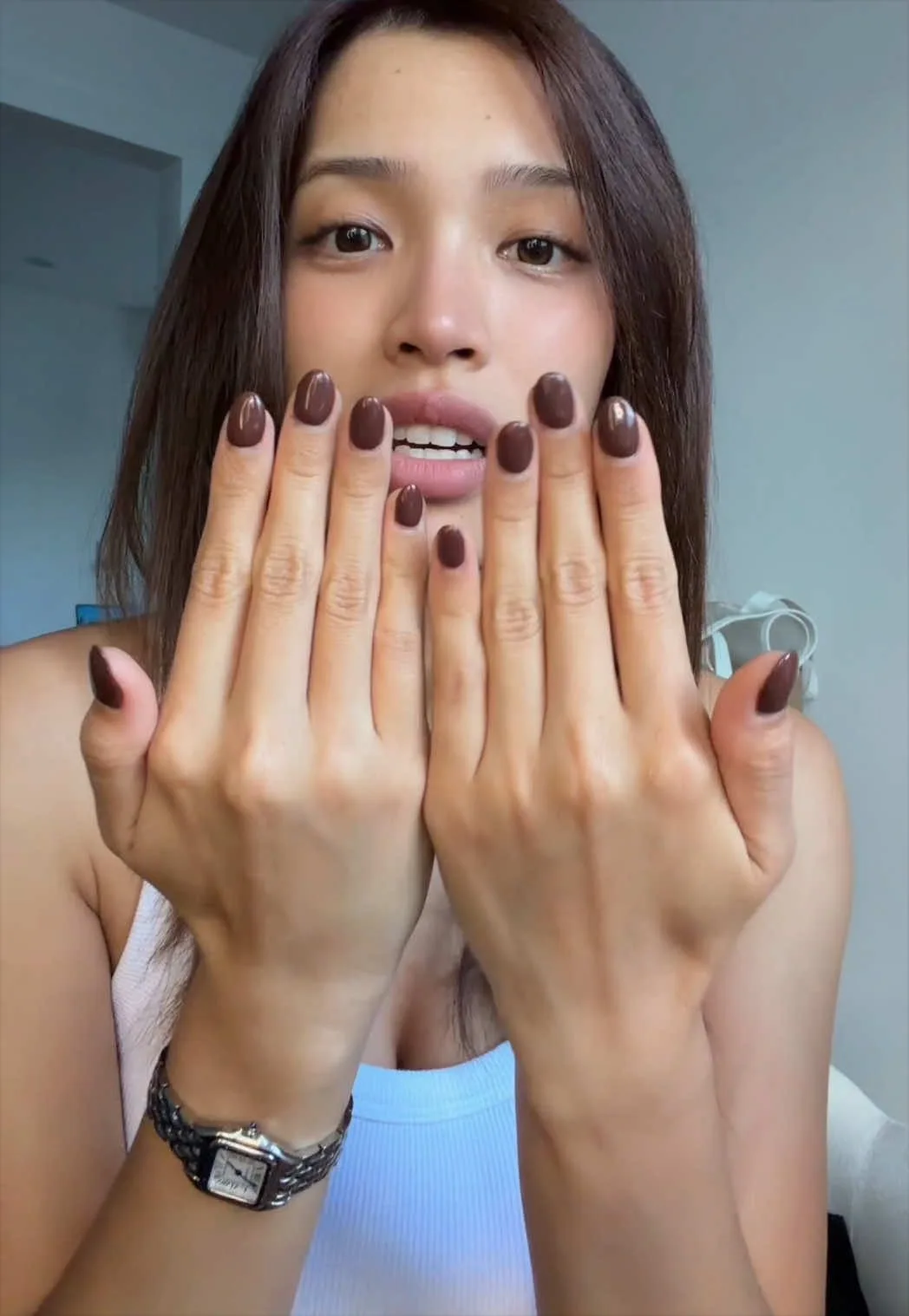
Lilthu is an example of the "human touch" trend Mintel describes. She is often named among Vietnamese public figures with healthy, sun-kissed skin, going against the "fair is beautiful" standard common in Vietnamese beauty advertising. On TikTok, her beauty content centres on real experience and her thinking about beauty, rather than heavily edited images. It is the kind of content brands increasingly need as viewers start to doubt perfection.
Sources: Việt Nam News / Bizhub — Metric data (03/2026) · CosmeticsDesign — Mintel 2026 beauty trends · Hospitality Net — Booking.com Travel Predictions 2026
Hashtags: #BeautyTrends2026 #VietnamBeauty #Skincare #SkincareRoutine #TikTokShop #Shopee #Mintel #MetabolicBeauty #RealBeauty #Glowcation #TanSkin #BeautyMarket #TrendReport #Lilthu